Decades of research have led our team into a darkness unknown – until now.
As devoted followers of history, we have spent many years in discovery – Looking beyond common sources, traveling to lands distant and mysterious often imperiled by strife, struggle, and decay.
Our journey has been long and difficult – The resulting knowledge is laid before you here as sheaves before the hungry. We promise no comfort, only truth.
This first installment will display our discoveries from the earliest known sources in ancient Mesopotamia and the New World.
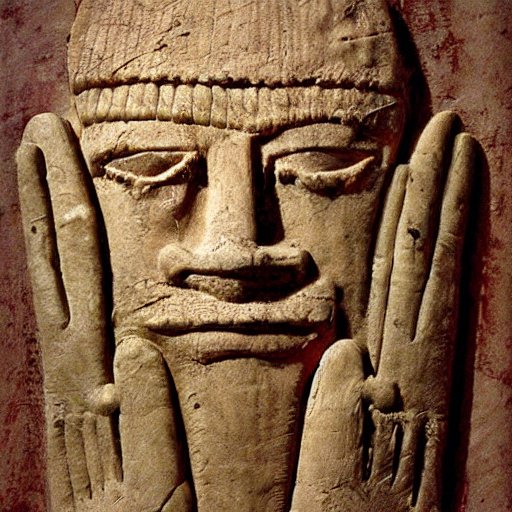
Our Journey begins at the end, with a moment of clarity and enlightenment. Our Spiritual Guide and Mentor, L’imbaa Tol-Daud, having lived among Native and otherwise sequestered communities, acquired the Keys of Truth though intensive prayer and reflection. These he reluctantly shared with select members of our inner circle, for we have gifts in discovery and exploration.
Tol-Daud described a systematic menace, seemingly designed and created by a supreme power. It’s physical form: Corn. More accurately, דגנ סִטְרָא אַחְרָא. “Corn from the Dark Realms” as described in early Aramaic.
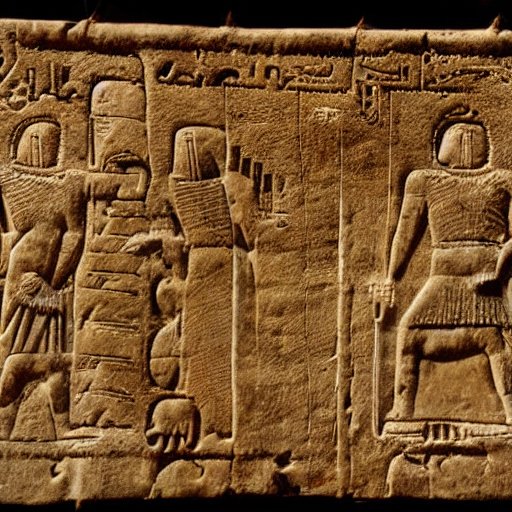
Fig. 2, carved in the area of Uruk at the height of Sumerian power. A female figure, center left, carries a tray laden with upright ears of the newly-discovered crop. Note the Blackened tops. The woman appears to be turned away from the city wall as her “familiar”, a giant rat (servant of Nin-kilim)+ follows closely. The warriors, in the fashion of Ninĝírsu+ warrior god and defender of crops, would have been wary of an outsider bearing strange gifts of grain.
We begin to see examples of strife in slightly more modern Sumerian artifacts. This new crop could have been adopted out of perceived necessity, but we find it likely that the servants of Nergal (Nerghilim) had a role in persuading the people of a declining Ur into it’s use. We also find references to an alliance of nerghilim and the deity Nintinugga, a sorceress who wakes the dead. See Fig. 3-5.
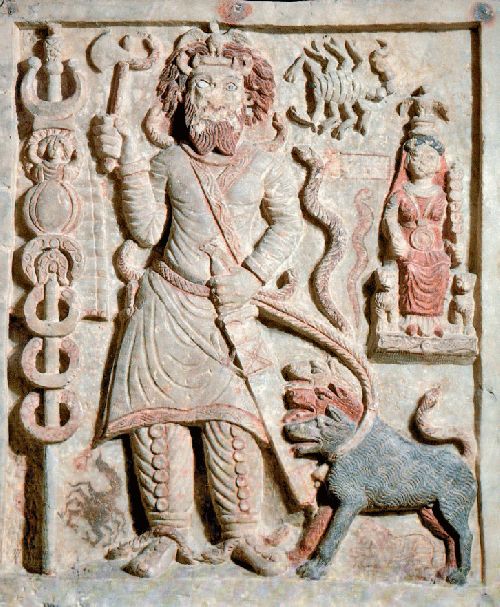
Here in Figure 3 we see direct evidence of the people of Sumer linking the underworld (represented here by a Nirghilim warrior) with with the deity Nintinugga, seated upper right. Kerberus (hound, lower right), mušḫuššu (serpent, center), and ĝír (scorpion, top and lower left) give context to the relationship between the two deities. Given the time period of this carving, it’s safe to assume that the people of Sumer were actively trying to explain the disturbing events of their limited days. Demons from the underworld, the goddess of resurrection, and the symbology around crops and the harvest foreshadow what was yet to come.
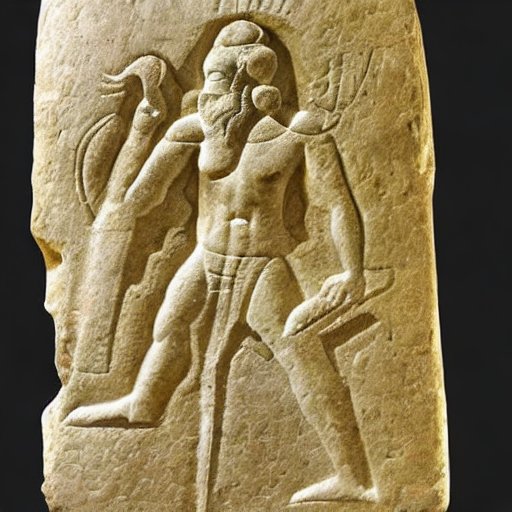
By this time, the effects of the Corn infection or Dagan nam-tar (Death by the Corn God) were displayed clearly in the stone carvings. Fig. 4 shows a warrior ready to remove his own hand with a ceremonial blade zu. The infected limb was placed in a cloth sack with a serpent before the amputation, likely invoking Enki, a unique figure in the Sumerian mythos. This Deity was believed to free humans from the influence of malevolent spirits, so the serpent eating the severed limb was an understandable response to the mystery of Dagan nam-tar.
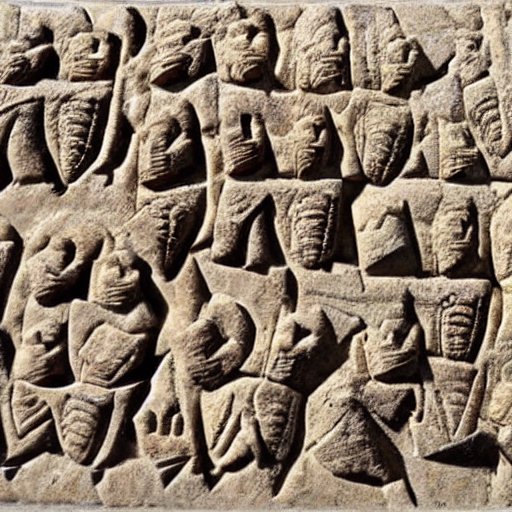
Figure 4 is indicative of the types of late-stage decline we see in upcoming examples of the Menace of Corn. Rows of disfigured citizens holding the very Corn which would spell their demise.
A Menace in the New World
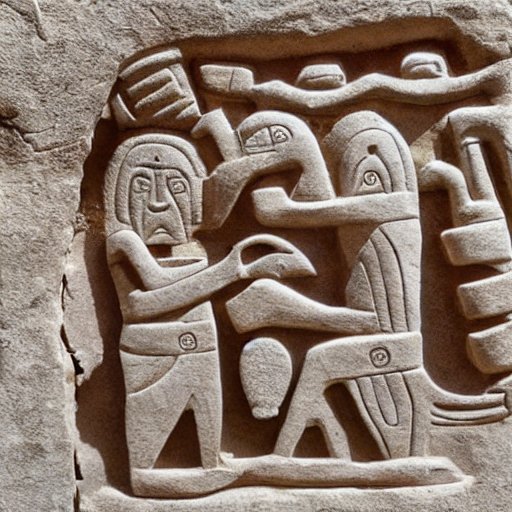
Traditional narratives on the history of Corn cultivation would have us believe in origins in what is now Northern Mexico and the American Southwest.
As we have seen, this is unlikely. Further evidence of an extra-terrestrial origin will be provided as we progress.
 End Times Today
Leave a comment